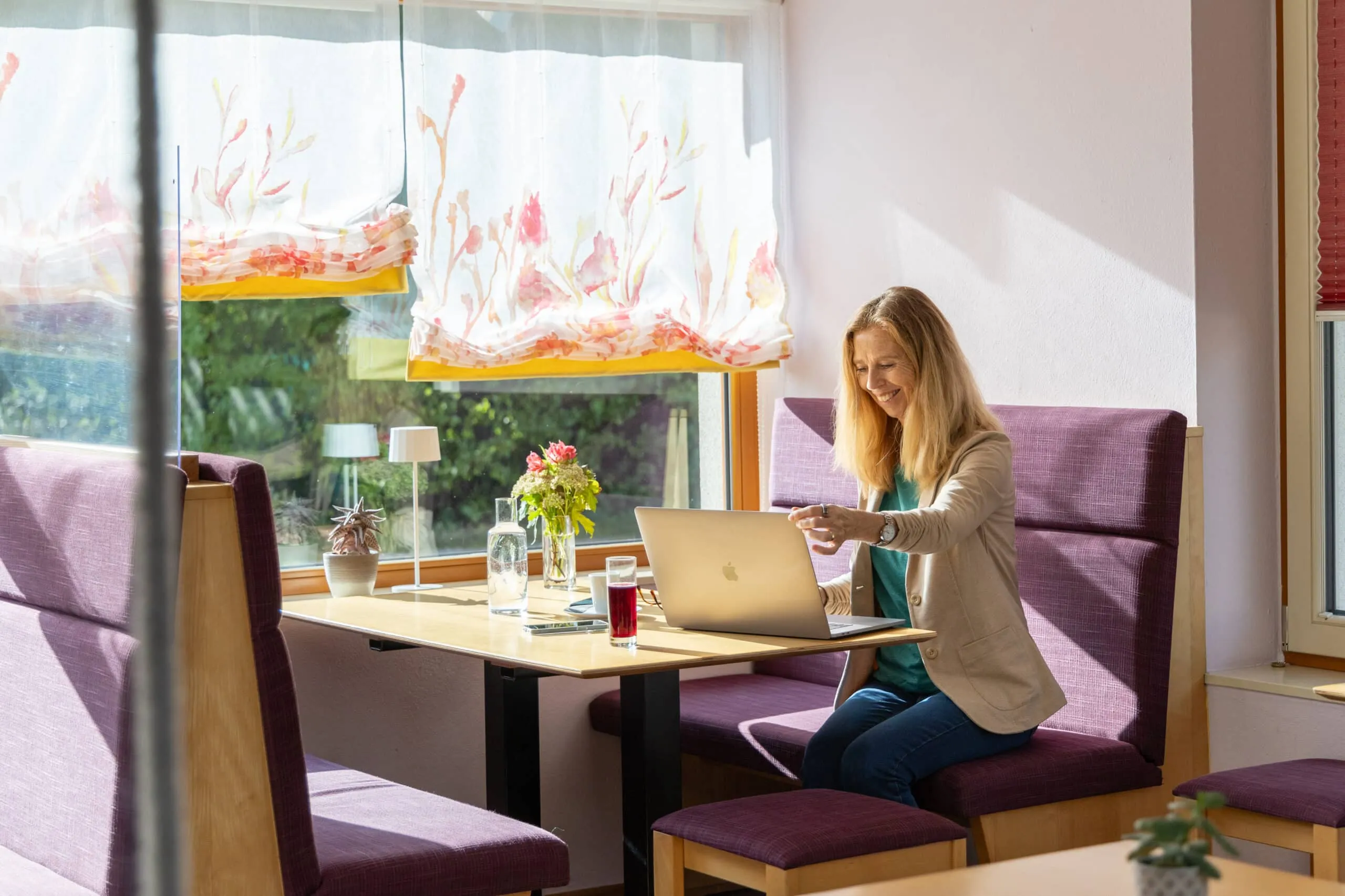
What does New Work mean?
New Work describes modern forms of work and organizational models that Flexibility, personal responsibility and a sense of purpose at the center of attention.
The aim is to motivated, productive and satisfied while at the same time companies Innovative and competitive remain.
New Work includes aspects such as:
- Flexible working hours and home office
- Agile working methods and flat hierarchies
- Meaningful tasks and self-determination
- Digital tools for collaboration
In HR systems such as Personalwolke New Work is supported by Flexible working time models, home office days or project assignments digitally recorded and made available to employees in a transparent manner become.
Background: Emergence and goals of New Work
The term was coined by Frithjof Bergmann and responds to the Changes in the world of work due to digitalization, globalization and a shortage of skilled workers.
Key objectives:
- Self-determination: Employees organize their work independently
- Flexibility: Work location and working hours adapt to your needs
- Sense and motivation: Tasks should be experienced as valuable and purposeful
- Using digitization: Tools such as personnel clouds or project management systems make organization easier
Typical questions:
- What distinguishes New Work from traditional work?
- What role does leadership play in New Work?
- How can HR systems support New Work?
How does New Work work in practice?
- Flexible working time models: Employees set their own start and end times
- Hybrid working: Combination of home office and office work
- Agile methods: Sprints, scrum meetings and regular retrospectives
- Digital tools: Task planning, time recording and communication run via central platforms such as Personalwolke
Example:
- A team works hybrid: two days in the office, three days home office
- Tasks are assigned and tracked via project management tool
- Working time is recorded digitally, vacation and home office days managed via personnel cloud
- Team leader conducts regular retrospectives to optimize processes
When does New Work make sense?
- For companies that Retain skilled workers in the long term want
- For teams that creative or project-based work perform
- When organizations Flexible response to market and customer requirements want to react
Advantages:
- Higher employee motivation and satisfaction
- Improved productivity through personal responsibility
- Better work-life balance
- Strengthening the employer brand
What should employees look out for?
- Take personal responsibility: Set clear goals and priorities
- Actively use digital tools: Transparency about tasks, times and projects
- Communication: Regular coordination and status updates
What should companies & HR departments look out for?
- Define structure and framework conditions: Rules for home office, working hours and responsibilities
- Provide digital infrastructure: Personnel cloud, project management tools, communication platforms
- Adapt management culture: Coaching, feedback, empowerment instead of micromanagement
- Continuous evaluation: Regularly review and improve processes and tools
Why is New Work important?
For employees:
→ More autonomy, motivation, flexibility and work-life balance.For companies:
→ Innovative capacity, employee loyalty, efficient use of resources and attractive working conditions.